
Interpreting Dynamic Pressure Resistance in Electronic Blasting Systems
Orica examines how dynamic pressure resistance claims for electronic blasting systems are defined, tested, and communicated, highlighting limitations in current methodologies and the need for clearer technical context.
www.orica.com
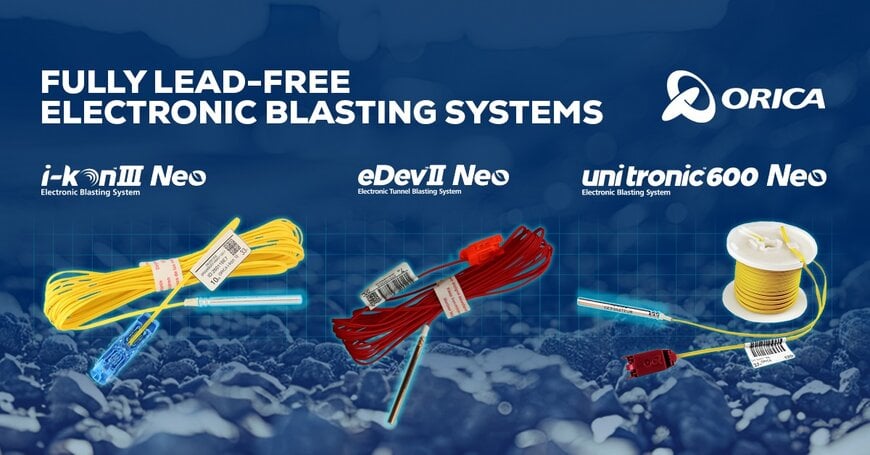
Orica has outlined key challenges in how dynamic pressure resistance is described and compared for electronic blasting system (EBS) detonators, as operating conditions in modern mining become increasingly demanding. As mines move deeper, ore grades decline, and blast designs evolve, EBS detonators are exposed to more severe mechanical shock environments that can compromise their structural and functional integrity.
Dynamic pressure as a critical failure mechanism
Dynamic pressure, also referred to as dynamic shock, represents a significant failure mode for EBS detonators. It can arise from geotechnical conditions such as fragmented ground or water ingress, as well as from blast design choices including decked charges, tight blast patterns, high powder factors, or incorrect initiation sequences.
Unplanned detonator behaviour linked to dynamic pressure can result in misfires or premature initiation. The consequences range from reduced blast performance—such as poor fragmentation, elevated vibration, and increased dilution—to more severe outcomes, including equipment damage or fatal incidents if initiation occurs during mucking operations.
How dynamic pressure affects EBS detonators
Dynamic pressure can impact EBS detonators in two primary ways. In moderate events, mechanical damage to internal components or deformation of the detonator shell can prevent proper initiation, leading to misfires. In more extreme cases, shock-induced sympathetic initiation of the base charge may occur, causing the detonator to fire earlier than intended.
Because EBS detonators comprise sensitive electronic components, a fusehead, a base charge, and a metallic shell, any of these elements may fail under dynamic pressure loading. As a result, dynamic pressure resistance is a fundamental safety design consideration rather than a single, isolated performance metric.
Limitations of current resistance claims
A review of EBS supplier documentation shows wide variation in how dynamic pressure resistance is presented. Claims range from qualitative descriptions such as “high” or “extreme” shock resistance to absolute values spanning approximately 500 bar to more than 1,400 bar, depending on the supplier and detonator type. In most cases, these figures are presented without reference to the test methodology used to derive them.
This omission is significant because dynamic pressure is characterised not only by peak pressure, but also by pulse duration. Pulse duration is closely linked to the shock source and can strongly influence failure behaviour. Longer-duration pressure pulses, which are common in real blasting environments, can cause detonator failure at lower peak pressures than short-duration laboratory shocks.
Influence of test protocols on reported performance
Dynamic pressure test methods vary widely across the industry. Differences include the type of shock source used (such as donor detonators versus boosters), as well as the configuration of the receiving detonator, which may be tested with a live fusehead only or with both a live fusehead and base charge.
Results generated under different protocols are not directly comparable. In internal testing cited by Orica, the same detonator technology demonstrated 100% survivability at pressures ranging from approximately 600 bar to above 2,500 bar, solely due to changes in the test setup. Such variability raises questions about how laboratory results translate to real blasting conditions, where pressure pulses typically have longer durations than those generated by detonator- or booster-based tests.
Technical and legal implications for suppliers and users
Quoting absolute dynamic pressure resistance values without clear methodological context can create both technical ambiguity and legal risk. If a supplier specifies a resistance level and a misfire occurs with serious consequences, questions arise regarding liability, verification of compliance, and whether the actual blast conditions matched the claimed resistance envelope.
Some suppliers include disclaimers advising users to interpret resistance values within the context of their application, but without a common reference framework, such statements offer limited practical guidance.
Pathways toward clearer communication
Two potential approaches are commonly discussed within the industry. One is to publish dynamic pressure resistance values only when they are explicitly tied to a defined and disclosed test protocol, allowing users to assess relevance to their own blasting conditions.
The second is the development of an industry-wide standard test method, supported by independent validation.
However, even a standardised protocol would still face challenges in replicating the wide range of dynamic pressure conditions encountered in real mines. As a result, absolute resistance values may remain of limited practical value without careful interpretation.
Orica’s position on dynamic pressure resistance
Orica has stated that it will continue not to publish absolute dynamic pressure resistance values in product data sheets or marketing material. Instead, the company focuses on demonstrating progressive improvements in detonator robustness through internal testing and collaborative evaluation with customers under representative conditions.
At the same time, Orica remains open to participating in the development of an industry-wide testing standard, provided such a framework can meaningfully relate laboratory results to actual blasting environments. In the absence of this linkage, dynamic pressure resistance is best understood as a comparative and context-dependent characteristic rather than a single definitive number.
www.orica.com
