
Alternative fuels cut cement kiln emissions in NSW
Boral Limited and the NSW Government support a fuel transition project at Berrima Cement Works to reduce coal use and lower emissions in cement manufacturing.
www.boral.com.au
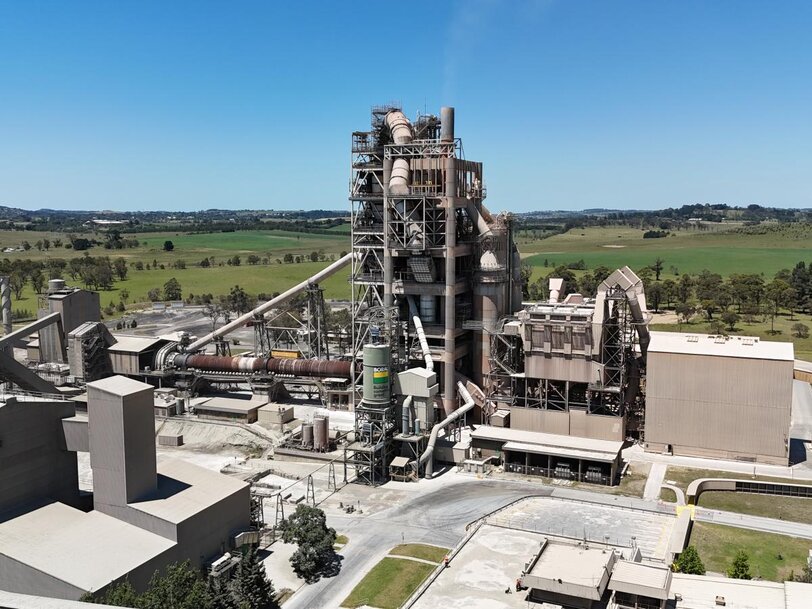
Boral Limited has secured AUD 25 million in funding from the NSW Government to accelerate the use of alternative fuels at its Berrima Cement Works in New South Wales. The funding supports the transition of kiln thermal energy from coal to lower-carbon alternative fuels, targeting up to 60% fuel substitution.
Context of the cooperation
Cement manufacturing is a high-emitting industrial activity due to both fuel combustion and process-related emissions from limestone calcination. At Boral’s Berrima site, approximately 35% of Scope 1 emissions are linked to fuel use, with the remainder resulting from the clinker production process.
The project aligns with the NSW Government’s High Emitting Industries Grant program, which aims to support manufacturing and mining facilities in deploying decarbonisation initiatives capable of delivering significant emissions reductions by 2030. For Boral, the project forms part of a broader pathway to reduce operational emissions while maintaining domestic cement production capacity.
Technical solution and responsibilities
The project focuses on substituting coal with alternative fuels derived from waste materials with high biomass content. These fuels are designed to provide thermal energy suitable for cement kilns while reducing fossil fuel consumption.
Boral is responsible for implementing the fuel handling, feeding, and combustion systems required to achieve high substitution rates, as well as integrating the solution into existing kiln operations. The NSW Government’s role is to provide financial support to de-risk deployment and enable large-scale implementation at a strategically important manufacturing site.
Deployment and implementation
The alternative fuel system is designed to deliver up to 60% of the kiln’s thermal energy from non-coal sources. Over its operational life, the project is expected to deliver approximately 1.6 million tonnes of carbon emissions reductions.
In addition to emissions benefits, the initiative is expected to divert around 73,000 tonnes of waste per year from landfill, contributing to waste management objectives alongside climate targets. The project will also support ongoing operations at Berrima Cement Works, which supplies up to 40% of cement demand in NSW and the ACT.
Results and expected impact
By reducing reliance on coal, the project addresses a significant portion of the site’s fuel-related emissions while maintaining clinker production performance. It also supports compliance with evolving regulatory frameworks, including more stringent emissions reduction requirements for trade-exposed industries.
Beyond the Berrima site, Boral plans to share technical and operational learnings from the project through industry forums, supporting broader adoption of alternative fuels within the domestic cement sector. The cooperation illustrates how targeted public funding and industrial investment can enable measurable emissions reductions while preserving local manufacturing capability.
www.boral.com
