
Advanced CT Imaging Improves Cardiac and Lung Diagnostics in Queensland
Philips Australia and Lumus Imaging deploy new CT technology to enhance cardiac assessment and support the National Lung Cancer Screening Program.
www.philips.com
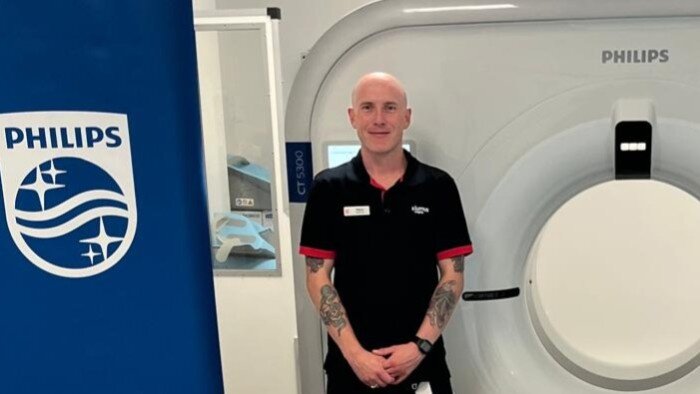
Advanced cardiac and lung diagnostics have gained new momentum in Queensland following the installation of six CT 5300 systems across multiple Lumus Imaging sites, a deployment designed to improve non-invasive cardiac assessment and strengthen low-dose CT screening capacity.
How new CT systems are enhancing cardiac and lung imaging workflows
Cardiac imaging, lung cancer screening, and routine clinical diagnostics benefit from systems capable of delivering high-resolution images at low radiation doses—two parameters increasingly important in smart imaging workflows and large-scale screening programs. The recent rollout of these CT systems addressed a key regional need: enabling faster, more accurate cardiovascular and pulmonary evaluation in both metropolitan and regional settings.
Installed across Browns Plains, Sandgate, Peninsula Private Hospital in Kippa-Ring, North Lakes, Ipswich, and Meadowbrook, the systems marked the first use of the full cardiac imaging package in Queensland at the Ipswich and Meadowbrook sites. This configuration introduced motion-correction capabilities and enhanced ECG editing tools aimed at improving the consistency and diagnostic reliability of cardiac studies.
Cardiac motion correction and workflow optimisation
Clinics that adopted the full cardiac package reported measurable improvements in coronary artery visualisation. During an initial two-day period at Ipswich, 13 cardiac scans were completed, all with high diagnostic clarity. The improvement was primarily attributed to a motion-correction algorithm that generated corrected images from a single acquisition, minimising artefacts that typically occur with fast-moving coronary structures.
The algorithm enabled clinicians to reduce repeat scan rates—an important factor in cardiac imaging where patient heart rate variability can significantly affect image quality. Enhanced ECG editing tools further streamlined the workflow by simplifying cycle selection and reducing manual adjustments, contributing to more predictable and efficient scanning sessions.
A key technical advancement was the reduction in radiation dose compared with earlier Philips systems. Lower exposure levels are particularly relevant for cardiac patients who undergo serial imaging to monitor disease progression or treatment response.
Role in Australia’s National Lung Cancer Screening Program
The timing of the installations aligned with the launch of the National Lung Cancer Screening Program (NLCSP), which emphasises early detection for high-risk groups through low-dose CT. Screening programs typically require equipment capable of maintaining consistent image quality across high patient throughput while keeping radiation exposure minimal.
The system’s combination of low-dose acquisition and high-resolution reconstruction made it suitable for these requirements, allowing centres to process large volumes without compromising diagnostic performance. This operational balance is essential in screening environments where workflow efficiency directly affects accessibility and compliance.
Expanding access to diagnostic imaging across Queensland
The partnership between Philips Australia and Lumus Imaging aimed to improve equity of access by distributing advanced imaging capabilities across both densely populated and regional locations. The installations broadened the availability of cardiac CT and low-dose lung imaging, two areas where timely diagnosis is strongly linked to patient outcomes.
According to Lumus Imaging, the integration of these technologies supported the organisation’s strategy to deliver higher diagnostic accuracy while maintaining streamlined clinical workflows. Philips Australia noted that the rollout formed part of its broader approach to providing scalable imaging platforms that meet regional health system needs.
Comparable systems on the market
Other manufacturers offer CT systems with similar clinical focus areas:
- Canon Aquilion ONE / PRISM Edition, known for wide-area detectors suited to cardiac motion-free imaging.
- GE HealthCare Revolution Apex, designed for fast temporal resolution and low-dose volumetric imaging.
In comparison, the installed systems emphasised single-series motion correction and workflow simplification rather than wide-detector coverage or ultra-high-end spectral modes. Selection between competing platforms typically depends on cardiac imaging volume, screening program requirements, dose-management strategy, and site workflow architecture.
Summary
The deployment of these CT systems across Queensland represented a shift toward more consistent, low-dose cardiac and lung imaging capacity. With demonstrated performance at early-adopting sites and alignment with national screening objectives, the installations contributed to broader access to advanced diagnostic tools in both urban and regional care settings.
www.philips.com
