
www.industry-australia.com
08
'25
Written on Modified on
BHP Deploys Battery-Electric Haul Trucks for Pilbara Decarbonization
Heavy-haul mining operations in the Pilbara will evaluate battery-electric truck performance, infrastructure needs and zero-emission viability through a joint trial involving industry partners and large-scale iron-ore fleets.
www.bhp.com
How Battery-Electric Haul Trucks Are Being Evaluated for Large-Scale Mining
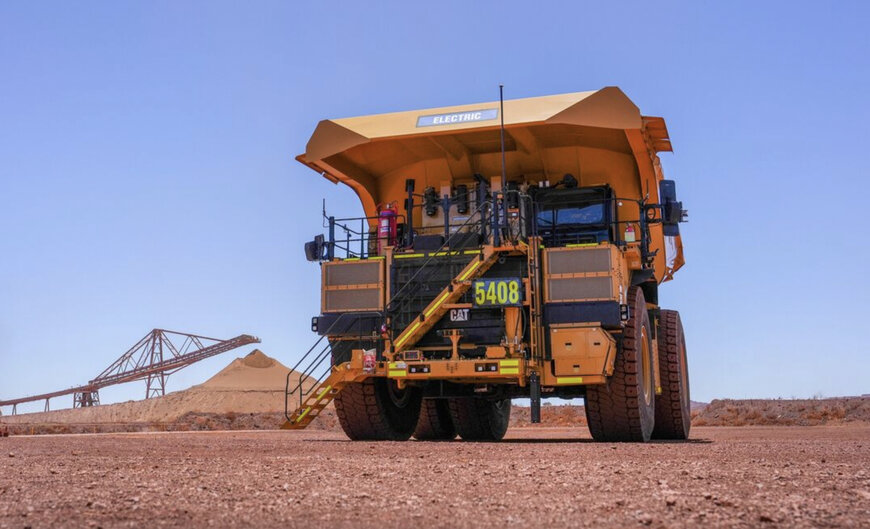
Mining companies exploring zero-emission haulage increasingly rely on real-world trials to validate battery performance, charging infrastructure, energy integration and productivity impacts. In the Pilbara iron-ore region, Australia’s first Caterpillar 793 XE Early Learner battery-electric haul trucks have arrived at BHP’s Jimblebar mine, marking the start of on-site testing conducted in collaboration with Rio Tinto.
Delivered through a three-way collaboration involving BHP, Rio Tinto and Caterpillar, the two trucks are designed to demonstrate whether battery-electric systems can replace diesel while sustaining the productivity levels required in large iron-ore operations. Once commissioning is complete, the trial will examine battery behavior under Pilbara conditions, assess operational energy demand, and determine the infrastructure and workforce capabilities needed for broader fleet transition.
What the Trial Will Determine for Future Mining Fleets
The testing program will evaluate the feasibility of deploying battery-electric trucks at scale, providing insight into charging requirements, power-management strategies, mine-site workflows and long-term operational planning. The outcome will help shape how battery-electric fleets could be integrated into future Pilbara mine designs, including decisions on generation capacity, charging layouts and supporting electrical systems.
Both BHP and Rio Tinto view the trial as essential to understanding the full system implications of decarbonized haulage—covering technology selection, supply-chain readiness, and the operational changes required to support zero-exhaust-emission equipment. Following this joint phase, each company will independently assess whether to progress to larger-scale trials across their respective operations.
Why Collaboration Matters for Zero-Emission Haulage
Industry leaders note that the scale of decarbonizing Pilbara mining cannot be achieved by a single company. Shared trials accelerate the learning process, reduce technological risk and support faster innovation cycles. Testing in real production environments offers essential data on reliability, cycle times, thermal performance and haul-route compatibility.
Company representatives emphasized that the shift from diesel involves rethinking infrastructure, supply chains and energy systems as much as evaluating the trucks themselves. They highlighted the need for research and development, along with coordinated industry action, to establish the conditions for commercial viability.
Preparing for Larger-Scale Deployment
Insights gained from this early trial will influence future integration of battery-electric haul trucks, including strategies for adding more units and managing mixed fleets during transition periods. The collaboration aligns with both miners’ long-term greenhouse-gas reduction targets and Caterpillar’s development roadmap for next-generation mining technology.
The shared program underscores the mining sector’s commitment to reducing operational emissions and demonstrates how coordinated testing can accelerate the adoption of cleaner, high-performance haulage systems across one of the world’s most significant mining regions.
www.bhp.com
